











|
|
|
|
|
|
|
|
|
||||||
|
|
||||||
|
>>Department of Ecological Modelling >> Personal homepage Thorsten Wiegand >> |
|
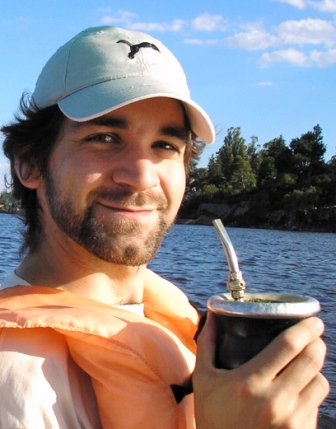
Carlos was a student at my 2005 course at the Escuela para Graduados (FAUBA) en Buenos Aires. Since then we kept contact and finally Carlos visited me in summer 2010.
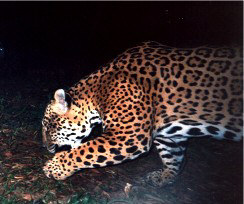
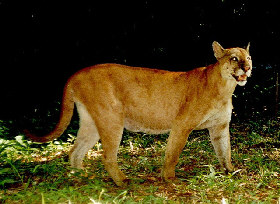
Puma and jaguar
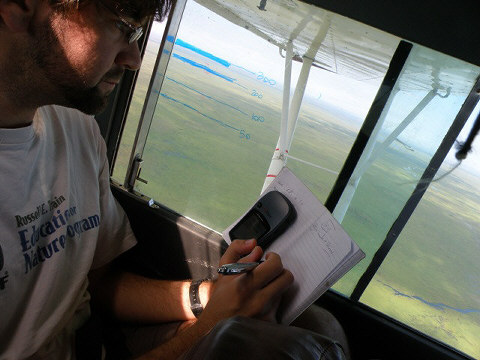
Iberá Project
Though he continues his work with jaguars
and pumas, Carlos is at present working on a new project in the Iberá
Provincial Reserve in Northeast Argentina. He is using aerial surveys to
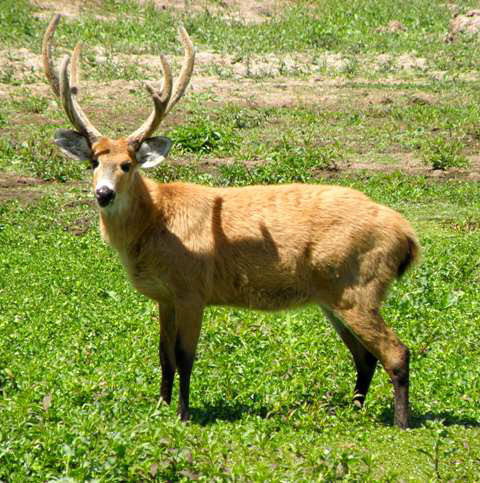
study the whole community of large vertebrates (mainly marsh deers
Blastocerus dichotomus, capybaras Hydrochoerus hydrochaeris, caimans
Caiman latirostris and C. yacare, and large birds), covering a wide region
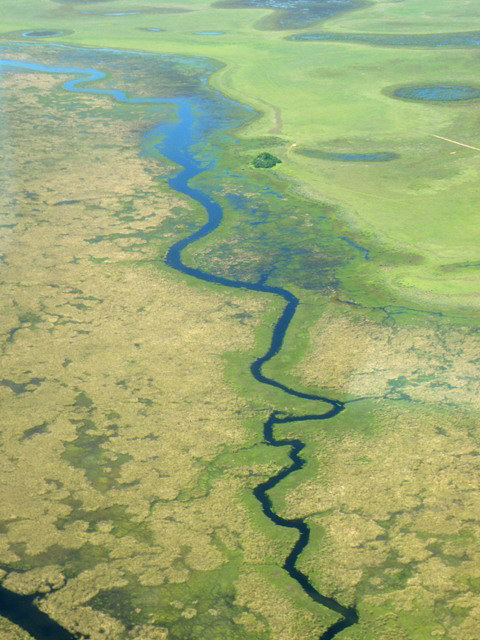
(more than 1 million ha). The Iberá region contains the largest marshlands
in Argentina, with a heterogeneous landscape including many different
natural environments and human land uses. His main goal is to understand
the effects of landscape structure and change in this large vertebrates’
community through habitat models, not only to predict species presence,
but also to infer abundance distribution and spatial population structure.
Río Carambola - Iberá - Argentina
Ciervo de los Pantanos
|
| Modified: 30.06.2010 | Resp.: Thorsten Wiegand | webmaster |